The Essential Guide to Effective Music Learning Techniques for All Ages
Music is a universal language that connects hearts, inspires creativity, and brings joy to people of all ages. Whether you are a child picking up your first instrument, a teenager exploring music as a passion, or an adult finally taking that long-awaited step to learn, music offers endless possibilities for growth and self-expression. But to truly enjoy the journey, it’s important to learn effectively. This guide explores essential music learning techniques for all age groups, helping you develop skills faster while keeping the process fun and rewarding.
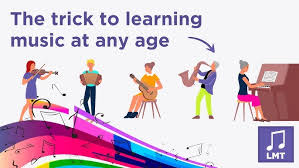
Why Learning Music at Any Age Is Possible
Many people assume music must be learned in childhood, but science proves otherwise.
1) Children build cognitive skills, emotional intelligence, and hand–eye coordination.
2) Teens gain self-confidence, discipline, and opportunities for creative self-expression.
3) Adults improve mental sharpness, relieve stress, and enjoy a meaningful hobby or side career.
SEO Tip: Searching for “beginner music lessons near me” or “music classes for adults”? Don’t hesitate to start—music welcomes every age.
The Essential Guide to Effective Music Learning Techniques for All Ages
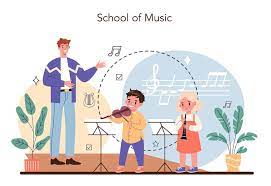
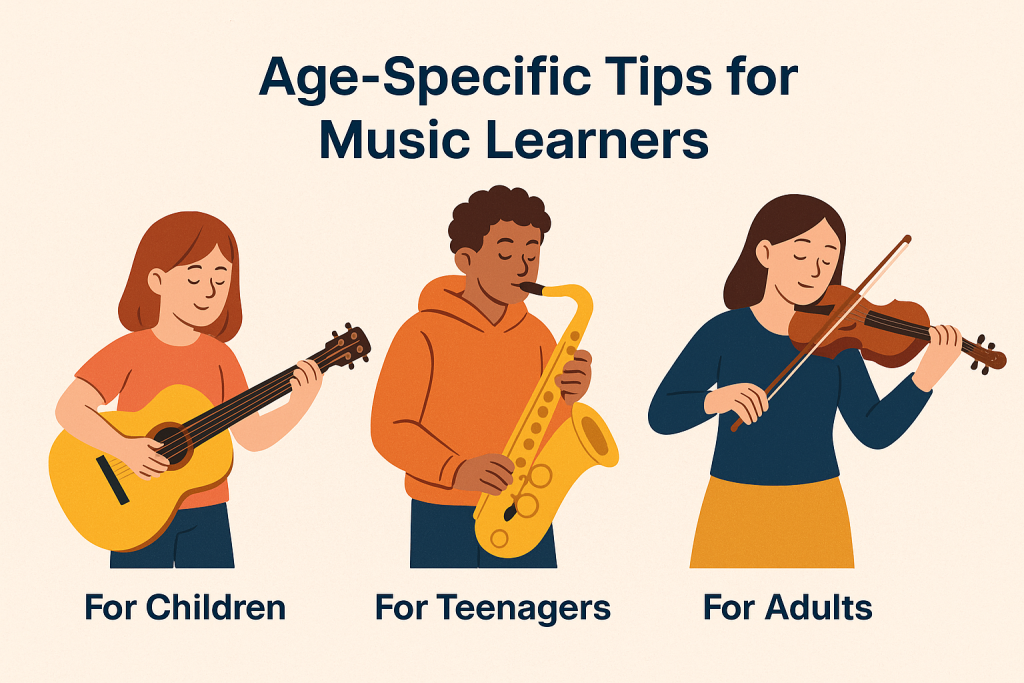
For Children (5–12 Years)
Keep lessons short and playful (15–20 minutes).
Use colors, games, and songs to teach notes and rhythm.
Encourage—but don’t force—daily practice to build discipline.
For Teenagers (13–19 Years)
Explore different instruments and genres to discover personal style.
Participate in school bands, competitions, or social media music challenges.
Use music as a tool for self-expression and stress management.
For Adults (20+ Years)
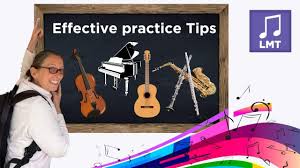
Schedule practice like a workout, even if just 15 minutes daily.
Focus on enjoyment over perfection to avoid frustration.
Join local choirs, jam sessions, or online communities to stay inspired.
The Role of Technology in Modern Music Learning
Digital tools have revolutionized music education for the essential guide to effective music learning techniques for all ages:
Tuning apps help maintain perfect pitch.
Digital metronomes improve rhythm and timing.
Recording software allows you to create and share original compositions.
Virtual lessons connect you with expert teachers worldwide.
These tools make learning accessible, flexible, and interactive—ideal for both children and busy adults.
Making Music a Lifelong Companion For The Essential Guide to Effective Music Learning Techniques for All Ages
Music is more than just a skill; it’s a lifelong friend. Whether you’re 8 or 80, music enhances memory, encourages creativity, and provides emotional fulfillment. With clear goals, structured practice, and the right guidance, you can keep improving and enjoying music for decades.
Final Thoughts & Call to Action For The Essential Guide to Effective Music Learning Techniques for All Ages
Music is for everyone—all you need is curiosity and consistency.
Ready to start your journey? At Music HarmoniQ, we provide beginner-friendly music classes for kids and adults that focus on fun, fundamentals, and real progress.
👉 Start today: [Book a Free Trial Lesson] or [Explore Our Courses] to unlock the magic of music.

🎶 The Benefits of Music Learning: Why Everyone Should Embrace Musical Education
Music is more than just a source of entertainment—it is a universal language that transcends age, culture, and background. Whether you’re a child picking up your first instrument, a teenager experimenting with songwriting, or an adult learning to sing for fun, music learning offers lifelong benefits. From improving mental health to enhancing creativity and social skills, the rewards of musical education go far beyond simply playing notes. In this blog, we’ll explore the powerful advantages of music learning and why it deserves a place in everyone’s life.

Lifelong Enjoyment and Career Opportunities
Music learning isn’t limited to childhood—it’s a lifelong passion. Adults can begin at any age and enjoy benefits such as stress relief, social interaction, and creative satisfaction. For those who wish to take it further, music offers exciting career opportunities: Performer or Singer – From live concerts to online platforms. Music Teacher or Coach – Sharing knowledge with students. Composer or Producer – Creating original music for films, ads, or games. Sound Engineer – Working in recording studios and live events. Even if music remains a hobby, it provides a rewarding and fulfilling way to spend time.
Practical Tips to Start Your Musical Journey
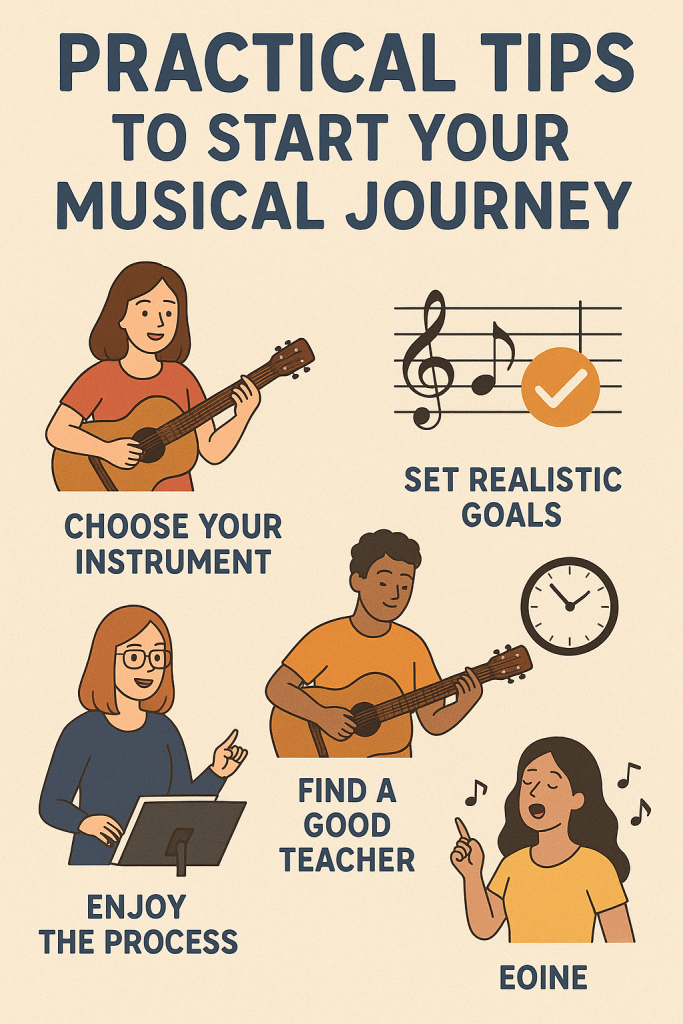
Starting music lessons can feel overwhelming, but a few simple steps can make the process enjoyable:
Choose Your Instrument or Focus: Guitar, piano, violin, singing, or digital music production—pick what excites you.
Set Realistic Goals: Start small, like learning a simple song or basic chords.
Practice Regularly: Consistency matters more than long hours. Even 15 minutes a day can create progress.
Find a Good Teacher or Online Course: Guidance from an expert helps build strong foundations.
Enjoy the Process: Celebrate small achievements and have fun with every note you play.
Music Learning in the Digital Age
Technology has made music education more accessible than ever.
Online Classes: Platforms like YouTube, Skillshare, and dedicated apps offer free or affordable lessons.
Music Apps: Tools like GarageBand, Yousician, and Simply Piano help learners practice interactively.
Virtual Collaborations: Musicians worldwide can now create and perform together online.
This digital revolution means anyone, anywhere, can start their music journey with just a smartphone or laptop.
Enhancing Creativity and Imagination
Music is art, and art thrives on creativity. Learning music encourages students to experiment with sounds, rhythms, and melodies.
Composing a song teaches innovation.
Improvising during a performance sparks quick thinking.
Writing lyrics improves storytelling skills.
This creative mindset often transfers to other areas of life, such as problem-solving at work or thinking outside the box in daily situations.
Emotional and Mental Health Benefits
In today’s fast-paced world, stress and anxiety are common. Music learning acts as a therapeutic escape.
-
Stress Relief: Playing an instrument or singing can calm the mind by releasing endorphins (the “feel-good” hormones).
-
Confidence Builder: Mastering a new song or skill provides a sense of achievement, boosting self-esteem.
-
Emotional Balance: Music allows people to process feelings and find inner peace, making it a powerful tool for mental well-being.
Even simple activities—like humming a tune or strumming a guitar for a few minutes—can significantly improve mood.
🎶 Conclusion: Embrace the Melody of Life
Music is more than just sound—it’s a lifelong companion that enriches the mind, body, and soul. Whether you dream of performing on stage or simply want to strum a few chords in your living room, music learning is a gift you can give yourself at any age.
From boosting brain power and creativity to improving mental health and social connections, the benefits of musical education are truly endless. So, pick up that instrument, warm up your vocal cords, or open a music app today. Your journey toward joy, growth, and harmony begins with a single note.